
Summary
TMJ disorders don’t usually show up all at once. For many patients in Summerville, the symptoms start quietly. A sore jaw in the morning. A clicking sound when chewing. Headaches that seem to come from nowhere. Because these signs feel small at first, they’re easy to ignore.
Over time, though, TMJ problems can begin to affect daily routines in ways people don’t always connect to their jaw. Eating becomes uncomfortable. Sleep feels restless. Even long conversations can cause tension. Many patients don’t realize how much they’ve adjusted their habits until the discomfort becomes hard to overlook.
If you’re exploring TMJ treatment in Summerville, SC, this article explains:
- How TMJ disorders affect everyday life
- Why are symptoms often misunderstood
- How dentistry for TMJ in Summerville, SC, can help bring relief
The goal in the following sections is to help you recognize patterns that may already be affecting you.
What TMJ Disorders Actually Are?
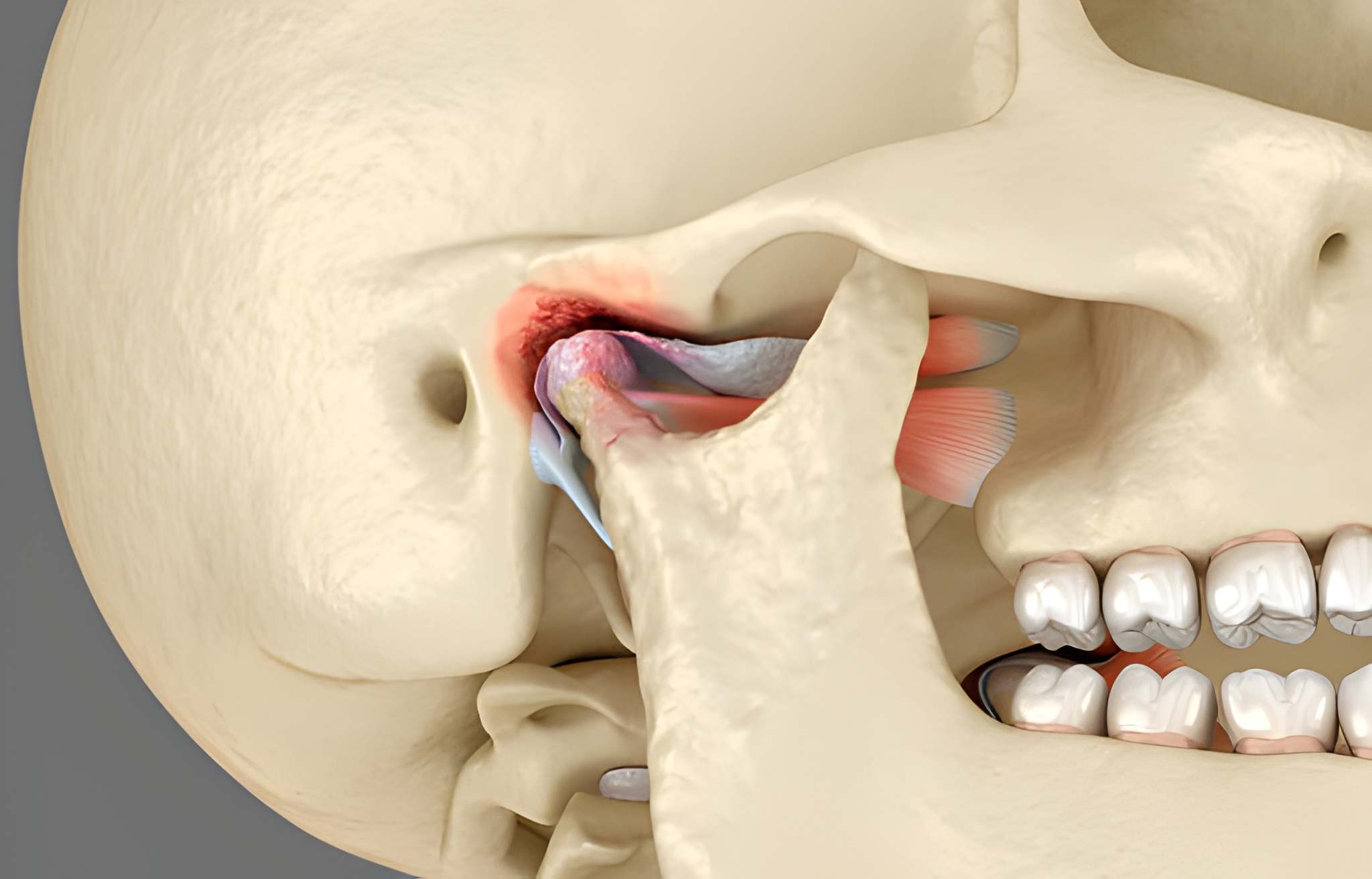
TMJ refers to the temporomandibular joint – the joint that connects your jaw to your skull. You use it constantly, whether you’re chewing, speaking, yawning, or swallowing. Because it moves in more than one direction, it’s also sensitive to imbalance and strain.
TMJ disorders develop when this joint or the surrounding muscles are under ongoing stress. That stress can come from teeth grinding, jaw clenching, bite misalignment, injury, or prolonged tension.
Most people don’t wake up one day knowing they have a TMJ disorder. Instead, symptoms build gradually. That slow progression is one reason TMJ issues are often misunderstood or misdiagnosed.
How TMJ Pain Affects Eating and Chewing?
Eating is one of the first daily activities affected by TMJ problems, even if patients don’t notice it right away.
Some people avoid chewy or crunchy foods without realizing why. Others chew on one side of their mouth because it feels more comfortable. Jaw stiffness after meals becomes normal.
Over time, these adjustments can worsen the problem. Favoring one side puts extra strain on muscles and joints. Avoiding certain foods limits comfort and enjoyment.
Patients often mention this during visits to the best dentist in Summerville, SC, sometimes without connecting it to TMJ until it’s discussed more closely.
The Connection Between TMJ and Headaches
One of the most prevalent problems with TMJ is headaches. A lot of people think that stress, screen time, or trouble sleeping are to blame for their headaches. Those things can be a part of the problem, but jaw tightness is typically a big part of it.
The muscles surrounding the mouth are linked to the neck, shoulders, and temples. When these muscles stay stiff, they can cause long-lasting, hard-to-get-rid-of tension headaches.
This is also where confusion usually comes up. Patients treat headaches without realizing the source may be dental. A dentist familiar with TMJ treatment in Summerville, SC, can help identify this connection.
TMJ and Sleep Disruption
Another result of TMJ difficulties that many don’t talk about is sleep disturbances. People commonly clench their jaws and grind their teeth while sleeping without even realizing it.
Common indicators include a painful jaw in the morning, tight face muscles, or headaches when you wake up. Some people say they still feel tired even after a full night’s sleep.
Not getting enough sleep can make you feel bad, lose attention, and feel tired. This can affect work performance and general health over time. A lot of folks don’t put these things together until they talk to their dentist about TMJ.
How TMJ Impacts Speaking and Social Comfort
TMJ disorders can also affect talking, especially during long conversations. Jaw fatigue, stiffness, or clicking can make speaking uncomfortable.
Some patients become self-conscious about jaw sounds or avoid extended conversations altogether. This may seem minor, but over time, it can affect confidence in social or professional settings.
Most people don’t think of TMJ as affecting communication, but it often does. This realization usually comes after patients reflect on how they’ve changed their behavior.
Why TMJ Symptoms Are Often Overlooked
TMJ symptoms overlap with many other issues. Ear pain without infection. Facial soreness. Neck stiffness. Headaches. Because of this overlap, patients may see multiple providers before TMJ is considered.
This step sounds technical, but it’s actually very straightforward. A dentist trained in TMJ evaluation looks at jaw movement, muscle tension, bite alignment, and signs of grinding or clenching.
Seeing a provider experienced in TMJ treatment in Summerville, SC, helps bring these pieces together instead of treating symptoms in isolation.
How a Summerville Dentist Evaluates TMJ Disorders
TMJ evaluation starts with listening. Patients describe when discomfort occurs, what makes it worse, and how long symptoms have been present.
The dentist examines jaw motion, checks for muscle tenderness, and evaluates how the teeth come together. Wear patterns on teeth often reveal grinding habits.
Some patients feel nervous here; others feel relieved. Both reactions are normal. Understanding the cause of discomfort often feels better than guessing.
How TMJ Disorders Affect Emotional Well-Being
Living with ongoing discomfort can be exhausting. Chronic jaw pain, headaches, or sleep disruption can affect mood and patience.
Patients sometimes feel frustrated because symptoms are invisible to others. This can make it harder to explain why they feel tired or uncomfortable.
Addressing TMJ problems often improves more than just physical symptoms. Many patients report feeling less tense and more relaxed overall once treatment begins.
TMJ Treatment Options and Daily Relief
TMJ treatment is usually conservative. The goal is to reduce strain and allow the joint and muscles to recover.
Common approaches include:
- Custom oral appliances to reduce clenching and grinding
- Bite evaluation and minor adjustments
- Muscle relaxation guidance and habit awareness
- Short-term pain and inflammation support
Treatment is tailored to each patient. There is no one-size-fits-all solution, which is why choosing the best TMJ dentist in Summerville, SC, matters.
Common Questions About TMJ Disorders
- Can TMJ discomfort go away by itself?
Rest may help with mild TMJ pain, but if the pain or jaw clicking doesn’t go away, you should see a doctor to avoid long-term strain.
- Can issues with TMJ make your head or ears hurt?
Yes. Problems with TMJ can also affect neighboring muscles and nerves, leading to headaches, ear pressure, or neck tension.
- What does TMJ therapy generally involve?
Instead of surgery, treatment often focuses on reducing joint pressure with bite guards, jaw exercises, or other adjustments.
Conclusion
TMJ disorders can quietly affect many aspects of daily life, from eating and sleeping to speaking and concentrating. Because symptoms develop gradually, they’re often overlooked or misunderstood. Recognizing these patterns is the first step toward relief.
If you’re searching for TMJ treatment in Summerville, SC, Cane Bay Family Dentistry is a provider experienced in dentistry for TMJ in Summerville, SC, that can help you understand what’s happening and explore practical solutions that fit your life.
Takeaway:
- TMJ disorders affect more than just the jaw.
- Daily habits often change without patients realizing it.
- Headaches, sleep issues, and tension are common signs.
- Local TMJ-focused dental care can improve comfort and quality of life.