
Summary
Few dental procedures cause as much anxiety as a root canal. Even patients who rarely worry about dental visits tend to pause when they hear those words. For many people in Summerville, the concern isn’t just the procedure itself: it’s the fear of pain, the recovery, and whether extraction might be easier.
The truth is, root canal therapy today is very different from what most people imagine. Modern techniques, effective anesthesia, and careful planning have made the process far more comfortable than it once was. In many cases, the pain patients feel before treatment is much worse than anything they experience during it.
If you’re researching root canal in Summerville, SC, this guide explains why patients trust Cane Bay Family Dentistry, what root canal therapy entails, and how the experience compares to tooth extraction. The goal is to replace fear with clarity, so you can make a confident decision about your care.
Why Root Canal Therapy Is Often Misunderstood
Root canals have a reputation that doesn’t always match reality. Many people associate them with pain, long appointments, or complicated recovery. That reputation often comes from outdated stories or secondhand experiences.
A root canal is recommended when the inner tissue of a tooth becomes infected or inflamed. This can occur due to a cracked tooth, deep decay, or repeated dental work. When that inner tissue is affected, pain and sensitivity often follow.
Left untreated, infection can spread and lead to swelling, abscesses, or tooth loss. Root canal therapy addresses the problem at its source while allowing the tooth to remain in place. Most people don’t realize this until it’s explained in person.
Common Signs You Might Need a Root Canal
Not every tooth problem feels dramatic right away. In fact, some patients delay care because symptoms seem manageable at first.
Common signs include:
- Swelling or tenderness near the gums
- Pain when chewing or biting
- Darkening of a tooth
- Sensitivity to hot or cold that lingers
- A small bump on the gums that comes and goes
Sometimes there is very little pain at all. This is also where confusion usually comes up. Patients assume no pain means no problem, but infection doesn’t always present as pain.
A trusted dentist in Summerville, SC, can often identify these issues early, before they become more serious.
Does a Root Canal Hurt More Than an Extraction?
Root canal therapy is performed with local anesthesia that numbs the area completely. Patients typically experience pressure rather than pain. Many say the discomfort they felt before treatment was far worse than the procedure itself.
Extraction, on the other hand, removes the tooth entirely. While extractions are sometimes necessary, they often involve more healing and can lead to additional procedures later, such as implants or bridges.
When patients ask, “does root canal hurt more than an extraction?”, the answer is often surprising to them. Root canals are usually the more comfortable option when saving the tooth is possible.
At this point, many patients begin to feel somewhat more relieved.
Why Cane Bay Family Dentistry Focuses on Saving Teeth
At Cane Bay Family Dentistry, the priority is preserving natural teeth whenever it’s healthy to do so. A natural tooth functions better, feels more familiar, and helps maintain proper bite alignment.
Root canal therapy removes infected tissue while preserving the tooth’s outer structure. This balance is why root canals are often recommended instead of extraction.
In most cases, the primary goal is simple: keep your own tooth rather than remove it.
This philosophy is one reason patients trust Cane Bay Family Dentistry for root canals in Summerville, SC.
What Happens During Root Canal Therapy?
Understanding the steps involved often helps ease anxiety.
Step 1: Evaluation and Diagnosis
The process begins with an exam and X-rays. These images show what’s happening beneath the surface and help confirm whether a root canal is needed. This step may sound technical, but it’s straightforward. It provides clarity and a clear plan.
Step 2: Numbing and Preparation
Local anesthesia is used to ensure comfort. Most patients are surprised by how effective this is. Some patients feel nervous here; others feel calm. Both reactions are normal.
Step 3: Removing the Infection
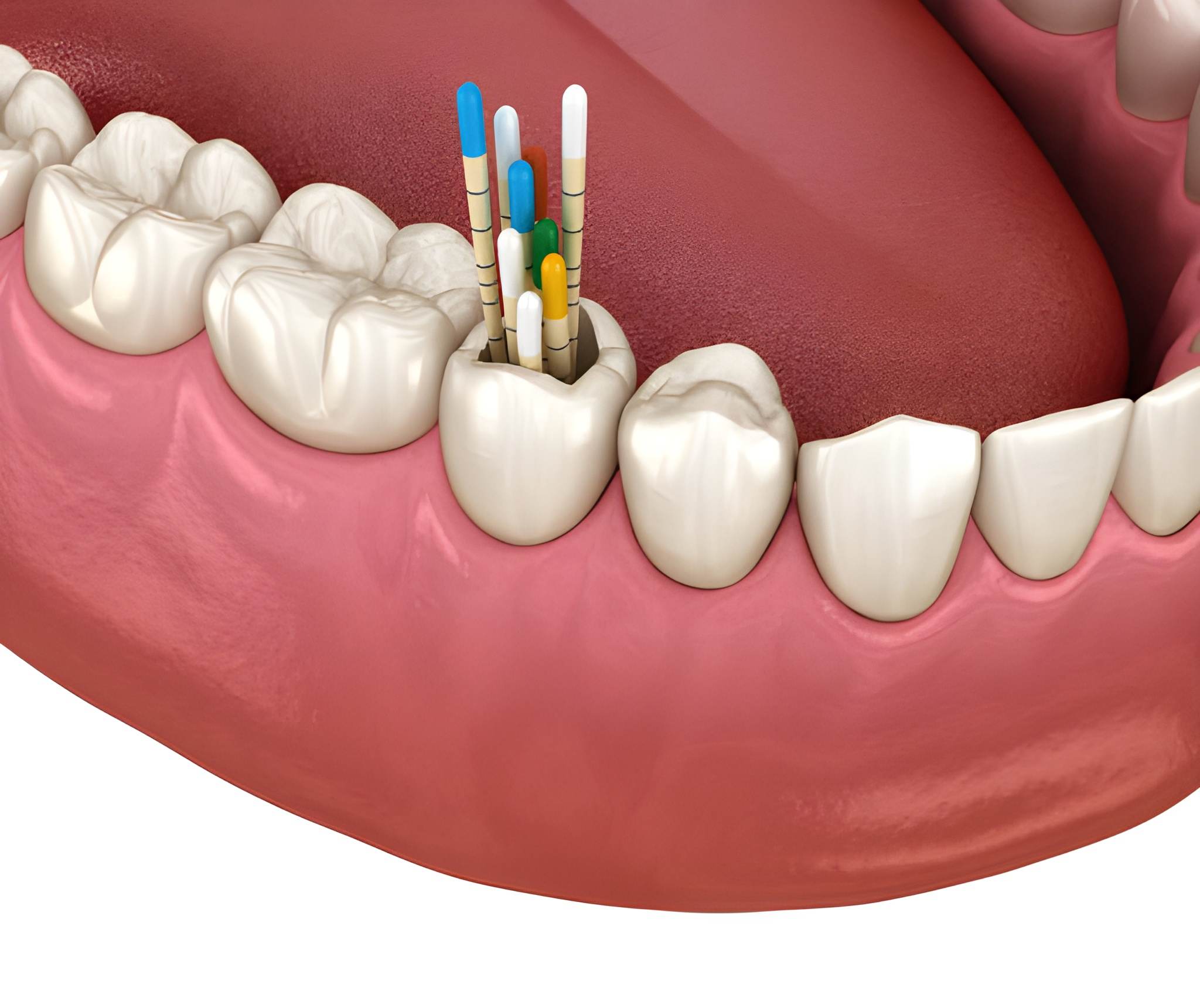
A small incision is made for easier access to the infected pulp. Once the dentist is inside, they remove the damaged tissue, and the canals are cleaned carefully. Modern tools enable this with precision. Today’s techniques make the process far more controlled than it used to be.
Some patients ask if this step is really necessary. That’s a fair question. In many cases, this step prevents the infection from recurring.
Step 4: Sealing the Tooth
Once cleaned, the canals are filled and sealed to prevent bacteria from re-entering the tooth. This protects the work done inside.
That reaction: not feeling much during this step is more common than you might expect.
Step 5: Restoring the Tooth
Most teeth that undergo root canal therapy need a crown for protection. The crown restores strength and allows the tooth to function normally. This is usually when patients stop worrying about the procedure itself.
What Recovery Feels Like After a Root Canal?
After treatment, mild soreness is normal. This discomfort usually fades within a few days and is often manageable with simple care. Most patients report that the pain they had before treatment has resolved. That relief often comes faster than expected.
Honestly, this is the part most patients worry about before they come in. Once the process of removing the root canal is complete, the reaction is usually the same: it wasn’t nearly as bad as they expected. That feedback comes up repeatedly.
Why Local Care Matters in Summerville, SC
Choosing a local dentist in Summerville, SC, makes follow-up care easier. Questions, restorations, and check-ins are more convenient when your dental team is nearby.
Patients value seeing familiar faces and having consistent communication throughout treatment. That continuity builds trust and comfort over time.
Frequently Asked Questions About Root Canals
- Is root canal therapy painful?
Most patients feel little to no pain during treatment due to effective anesthesia.
- How long does a root canal last?
With proper restoration and care, treated teeth can last many years.
- Is extraction ever better than a root canal?
Sometimes, yes. But saving the tooth is often the preferred option.
- Can I eat normally afterward?
Most patients return to normal eating once the tooth is restored.
Conclusion
Root canal therapy is designed to relieve pain and protect your natural teeth. Understanding the process makes it far less intimidating. At Cane Bay Family Dentistry, root canal care is approached with patience, clarity, and modern techniques that prioritize comfort.
If you’re considering a root canal in Summerville, SC, scheduling a consultation with a trusted dentist can help you take the next step with confidence.
Takeaway
-
- Root canal therapy removes infection and relieves pain.
- Modern treatment is far more comfortable than expected.
- Saving the natural tooth is often the goal.
- Cane Bay Family Dentistry provides patient-focused root canal care in Summerville.